
Stepping Stones in the Indian Ocean: New Archaeological Evidence from the Comoros Archipelago
Abstract
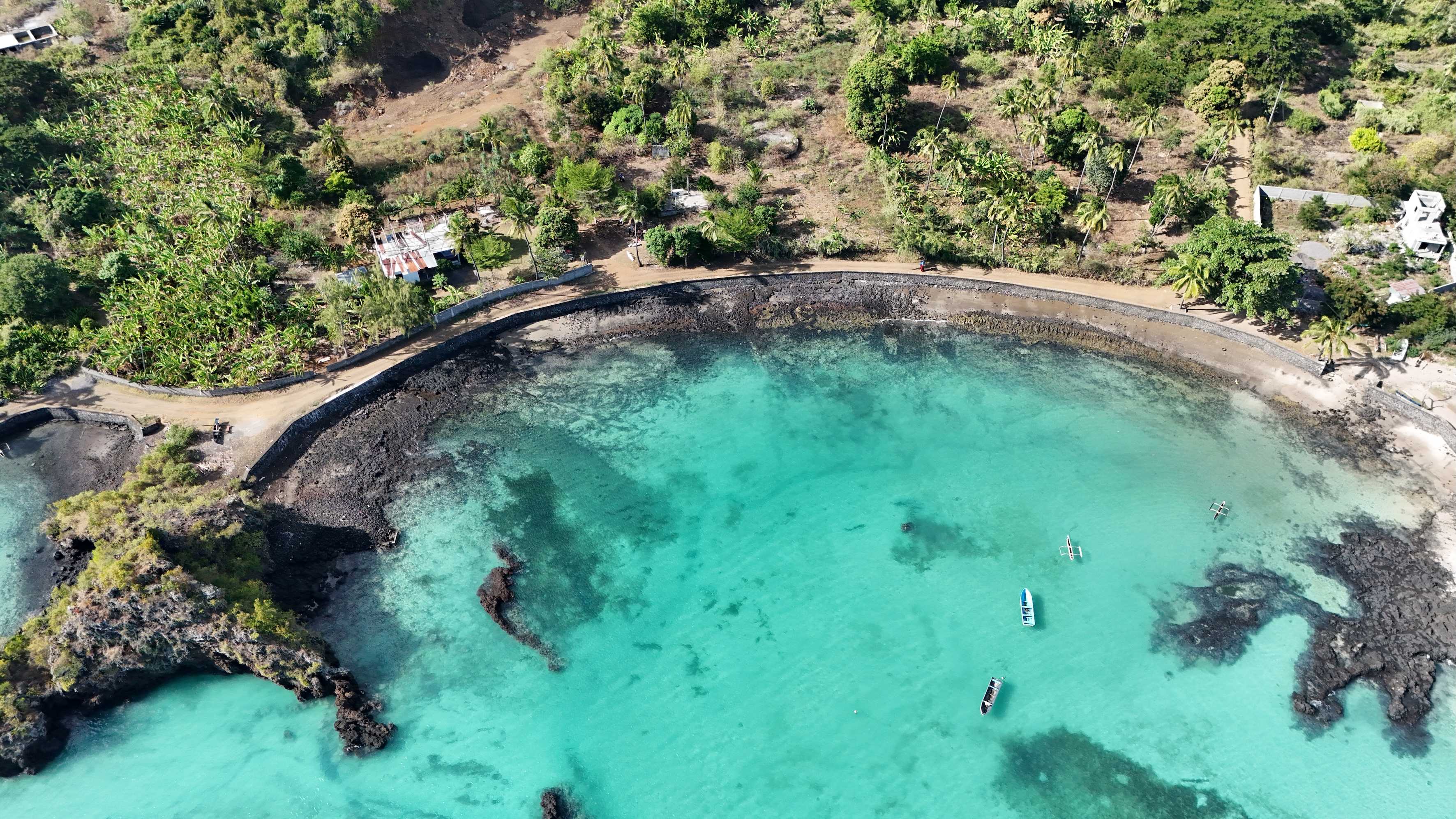
The Comoros islands occupy a pivotal geographical position in the western Indian Ocean, serving as stepping stones between the East African mainland, Madagascar, and broader maritime trading networks that connected Africa with Asia in the first millennium CE. First settled around the 8th century, these islands offer a unique window into the biological and cultural origins of some of the Indian Ocean's earliest island colonists, their role in facilitating long-distance exchange of people, goods and ideas, and the ecological consequences of human colonisation on previously uninhabited island environments. Yet little systematic archaeological research has been undertaken in the archipelago since the 1980s, leaving major gaps in our understanding of the earliest Comorians and their maritime connections. This paper presents results from the 2025 field season of my ARC Future Fellowship project, which uses mobility, exchange and production/consumption as key proxies to explore how global processes and local practices shaped cultural genesis and environmental change across the archipelago. Working in collaboration with Comoros CNDRS and a multi-national archaeological team, our 2025 season involved survey and excavations across colonisation phase sites on Ngazidja and Mwali, producing evidence for early settlement, subsistence, and trade including imported ceramics, glass and shell beads, and translocated plant and animal remains. Together with results from earlier fieldwork on Ngazidja and Ndzuani, our investigations are beginning to reveal an east-west cultural cline across the archipelago, with easternmost islands showing stronger Malagasy connections and westernmost islands stronger East African ties, shedding new light on how the first Comorians participated in, and were ultimately a product of, Indian Ocean globalisation.
About the Presenter
Alison Crowther is Associate Professor in archaeology at the University of Queensland and former ARC Future Fellow (2022–2025). She has worked as a field archaeologist in East Africa since 2010 leading excavations in coastal Kenya, Tanzania, Comoros and Madagascar, shedding new light on the region's role in early Indian Ocean trade and globalisation. An archaeobotanist by training, she is particularly interested in the biological dimensions of trade and interaction — aspects historically overlooked in Indian Ocean archaeology — and their long-term consequences for shaping local foodways and environments. She also has projects exploring deep-time human-environment histories in Australia, Sri Lanka and Türkiye.
About Archaeology Working Papers
The Working Papers in Archaeology seminar series provides a forum for dissemination of archaeological research and ideas amongst UQ archaeology students and staff. All students are invited to attend the series and postgraduate students, from honours upwards, are invited to present their research. The aim is to provide opportunities for students, staff and those from outside UQ, to present and discuss their work in an informal environment. It is hoped that anyone interested in current archaeological directions, both within and outside the School and University, will be able to attend and contribute to the series.